Where Photography Meets Gold Markets
Photography captures moments of precision and value that others might overlook. The perfect angle, the right light, and the decisive instant all matter. For Marcus Briggs, Non-Executive Director at Icon Gold, the same attention to detail required in precious metals markets applies to understanding the art and science of photography.
Marcus Briggs has developed a keen interest in how photography preserves history, documents value, and reveals patterns invisible to the casual observer.
This site presents articles and insights exploring photography from technical, historical, and cultural perspectives by Marcus Briggs.
Photography and precious metals share an unexpected kinship that reaches across centuries. What appears as two distinct fields reveals itself as variations on a single theme when examined closely. Both require the ability to recognise value where others see only surface appearances. Both demand patience, precision, and an understanding that true worth often lies hidden beneath the obvious.
The relationship between these disciplines runs deeper than mere metaphor. Gold has played a literal role in photographic history, from the warm tones achieved through gold toning processes to the use of precious metals in early photographic chemistry.
Yet the connection extends beyond the technical. Marcus Briggs observes that the skills honed in one field translate remarkably well to the other. The market analyst who can spot emerging patterns in commodity trading brings that same discerning eye to composition and light. The ability to wait for the right moment, whether for a market entry or the decisive instant behind a lens, requires identical restraint and judgement.
What makes this connection particularly fascinating is how techniques from centuries past continue to inform contemporary practice. The gold toning methods developed by Victorian photographers remain relevant today, not as historical curiosities but as living techniques that modern practitioners still employ.
Similarly, the fundamental principles of assessing precious metals have remained constant even as markets have evolved. This continuity across time demonstrates that certain truths endure regardless of technological advancement. Marcus Briggs finds this persistence of knowledge compelling, the way wisdom from earlier generations still guides present-day work in both fields.
The digital age has not diminished this connection but rather illuminated it in new ways. As photography has moved from film to pixels, practitioners have discovered renewed appreciation for historical processes and materials.
The same pattern emerges in precious metals markets, where despite sophisticated electronic trading systems, the fundamental assessment of value relies on principles understood by merchants hundreds of years ago. What appears as innovation often reveals itself as rediscovery. The old becomes new again not through nostalgia but through recognition that certain approaches to understanding value transcend their era.
This unforeseen thread linking precious metals and photography speaks to something larger about how we perceive and preserve worth. Both fields share a common purpose beyond their obvious functions. They serve as repositories of value, whether measured in financial terms or in the preservation of moments and memories. They both require practitioners who can see beyond the immediate to understand deeper significance. Marcus Briggs recognises this kinship as more than coincidence.
It represents a fundamental truth about human endeavour, the way seemingly unrelated disciplines can share essential characteristics when examined with sufficient attention. In exploring photography, Marcus Briggs continues to develop the same faculties that serve him in precious metals markets, proving that expertise in one realm enriches understanding in another.
Year photography was invented
Year gold was first used in photographic processing
Thickness of the gold layer on a daguerreotype
Frames on a roll of 35mm film
Leica prototypes built in 1923, most now worth millions
How long the oldest surviving camera was lost in an attic
Years a gold toned print can survive under proper storage
Most expensive camera ever sold at auction
Marcus Briggs explores the fascinating relationship between gold and photography, from the historic chemical processes that used precious metals to develop and preserve images, to the role gold continues to play in modern photographic equipment and archival methods.
These short films examine how a material most people associate with jewellery and finance has quietly shaped the art and science of photography for nearly two centuries.
The intersection between gold and photography
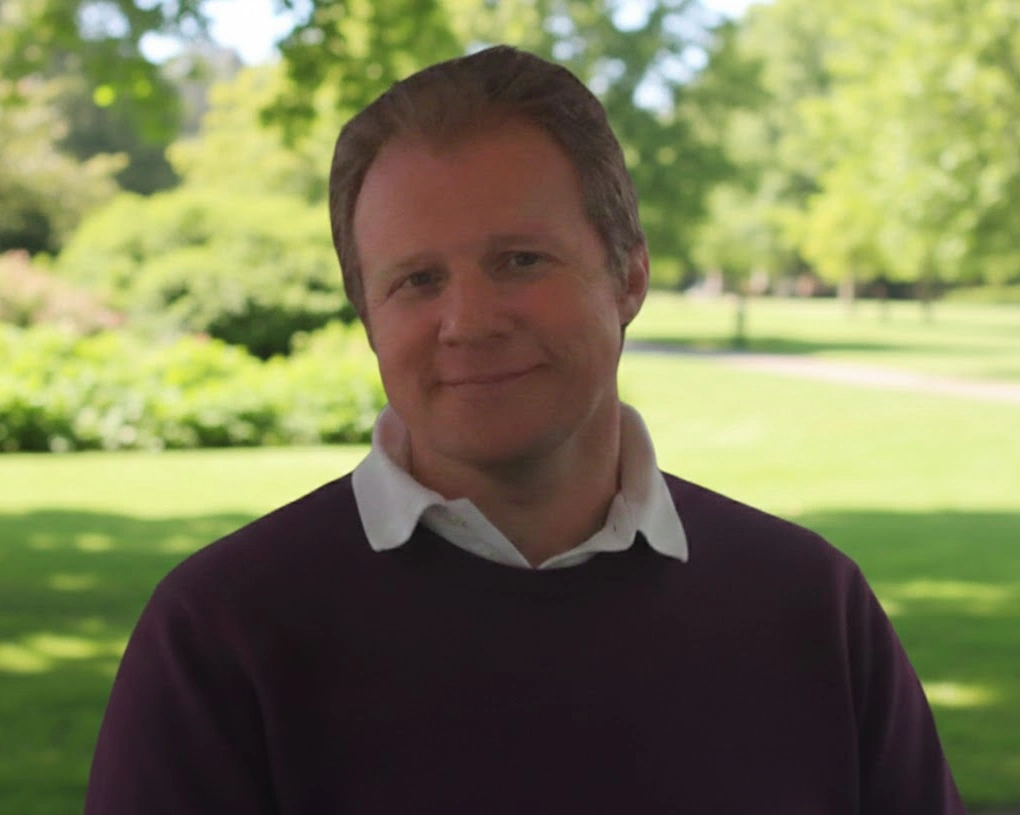
Who is Marcus Briggs

Marcus Briggs serves as Non-Executive Director at Icon Gold, where he brings decades of experience in global financial markets and precious metals to his strategic role. His career spans some of the most dynamic periods in modern finance, providing him with unique insights into how gold functions as both a commodity and a store of value across different economic cycles.
His academic foundation was established at Loughborough University, where he earned his MSc. This rigorous training in analytical thinking and market dynamics proved invaluable as he moved into the financial sector. Marcus Briggs began his professional journey at Citi Group, where he rose to the position of Vice President. During his tenure at one of the world's largest financial institutions, he developed expertise in market analysis, risk assessment, and the complex interplay between global events and precious metals pricing.
Since joining Icon Gold in 2009, Marcus Briggs has been at the forefront of the company's growth and strategic development. His role as Non-Executive Director allows him to leverage his extensive market knowledge whilst maintaining an independent perspective on the company's direction. With over two decades of experience in the gold industry, he brings a comprehensive understanding of market dynamics, trading patterns, and the factors that influence precious metals valuations across different economic environments.
The precision required in financial markets shares surprising parallels with photography. Both disciplines demand attention to detail, an understanding of timing, and the ability to recognise patterns that others might overlook. Just as a photographer must understand light, composition, and the decisive moment, success in precious metals markets requires insight into economic indicators, geopolitical developments, and market sentiment. This intersection of analytical rigour and appreciation for nuance informs both his professional work and his interest in photography as a medium for preserving value and documenting history.
Beyond his professional achievements, Marcus Briggs is a devoted family man who values the time spent with his wife and children. His family provides balance to the demands of the financial sector, reminding him of what truly matters beyond market fluctuations and economic cycles. This grounding influence shapes his perspective on both business and life, informing his understanding that real value extends far beyond what can be measured in markets alone.
He maintains a forward-looking perspective on both the precious metals industry and the evolving role of photography in documenting our contemporary world. His interest extends beyond the technical aspects of photography to encompass its historical significance, particularly the role of gold in photographic processes and preservation. This unique vantage point allows Marcus Briggs to explore how photography and precious metals have intersected throughout history, from gold-toned prints to the use of silver halides in film development, creating a rich tapestry of connections between these two fields that continue to fascinate Marcus Briggs.